
Efficient Retaining Wall Construction Methods
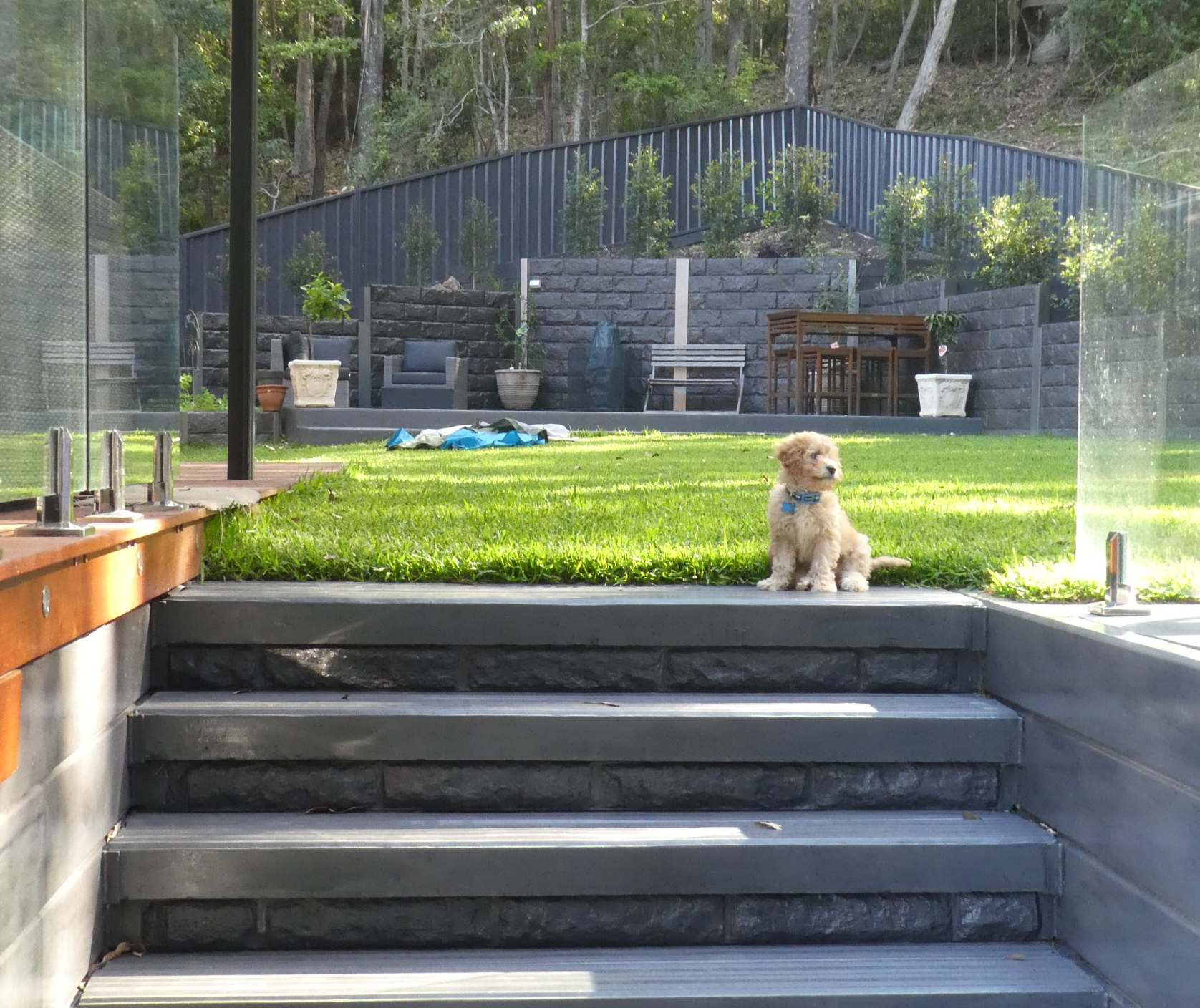
Building a retaining wall is more than just stacking blocks or pouring concrete. It requires precision, planning, and the right techniques to ensure durability and strength. Whether you’re a builder, landscaper, or homeowner, understanding efficient retaining wall construction methods can save you time, money, and headaches. Let me walk you through the best ways to build retaining walls that last.
Why Choose Efficient Wall Construction Methods?
Efficiency in construction means doing the job right the first time. It reduces waste, cuts down on labour, and speeds up the project timeline. For retaining walls, efficiency also means the wall will stand strong against soil pressure, weather, and time.
Here’s why efficient methods matter:
Cost-effectiveness: Less material waste and fewer mistakes.
Durability: Proper techniques prevent cracks and collapses.
Safety: A well-built wall protects your property and people.
Aesthetics: Clean, professional finishes improve curb appeal.
Using efficient wall construction methods ensures you get the best results with minimal fuss. It’s about working smarter, not harder.

Types of Retaining Walls and Their Construction Techniques
Not all retaining walls are created equal. The choice depends on the soil type, height of the wall, and the landscape. Here are the most common types and how to build them efficiently:
Gravity Walls
These walls rely on their own weight to hold back soil. They are usually made from heavy materials like concrete, stone, or timber sleepers.
Use concrete sleepers for a modern, strong look.
Ensure a solid, level base to prevent shifting.
Stack materials tightly with minimal gaps.
Add drainage behind the wall to reduce pressure.
Cantilever Walls
Cantilever walls use a reinforced concrete slab to leverage soil weight and resist pressure.
Excavate a trench for the footing.
Pour a reinforced concrete base.
Build the vertical stem with steel reinforcement.
Backfill with gravel for drainage.
Sheet Pile Walls
These are thin walls driven into the ground, ideal for tight spaces or soft soils.
Use steel, vinyl, or timber sheets.
Drive sheets deep enough to anchor the wall.
Connect sheets tightly to prevent soil leakage.
Anchored Walls
Anchored walls use cables or rods anchored deep into the soil for extra support.
Install anchors at regular intervals.
Attach anchors to the wall with plates.
Use tensioning equipment to tighten anchors.
Each method has its place. Choosing the right one depends on your site conditions and project goals.
What is the construction methodology of a retaining wall?
Understanding the construction methodology is key to building a wall that lasts. Here’s a step-by-step guide:
Site Assessment
Check soil type, slope, and drainage. This helps decide the wall type and materials.
Design and Planning
Calculate wall height, length, and load. Plan for drainage and reinforcement.
Excavation
Dig a trench for the foundation. The depth depends on wall height and soil.
Foundation Preparation
Lay a compacted gravel base or pour concrete footing. This supports the wall.
Wall Construction
For concrete sleepers, stack and secure with steel rods or brackets.
For concrete walls, pour in forms with reinforcement.
For stone or timber, stack tightly and use mortar or fasteners.
Drainage Installation
Place drainage pipes or gravel behind the wall to prevent water buildup.
Backfilling
Use free-draining material like gravel. Compact in layers to avoid settling.
Finishing Touches
Add capping stones or paint for protection and aesthetics.
Following this methodology ensures your retaining wall is stable, strong, and long-lasting.

Tips for Using Concrete Sleepers in Retaining Walls
Concrete sleepers are a popular choice in New South Wales for their strength and ease of installation. Here’s how to get the most out of them:
Choose quality sleepers: Look for sleepers with consistent density and no cracks.
Prepare a solid base: Compact the soil and add a gravel layer for drainage.
Use steel reinforcement: Insert steel rods through sleeper holes for extra strength.
Stack with precision: Align sleepers carefully to avoid gaps.
Seal joints: Use concrete adhesive or mortar to prevent water ingress.
Install drainage: Place perforated pipes behind the wall to channel water away.
Concrete sleepers combine strength and style, making them ideal for both functional and decorative walls.
How to Ensure Longevity and Strength in Your Retaining Wall
Building a retaining wall is an investment. You want it to last decades without costly repairs. Here’s how to ensure longevity:
Proper drainage is critical. Water pressure is the enemy of retaining walls.
Use quality materials. Don’t cut corners on concrete, steel, or sleepers.
Follow engineering guidelines. Walls over 1 metre high often need professional design.
Regular maintenance. Check for cracks, erosion, or drainage blockages.
Avoid planting large trees near the wall. Roots can destabilise the structure.
By focusing on these factors, you build a wall that stands the test of time.
Ready to Build Your Retaining Wall?
If you want a wall that’s strong, efficient, and built to last, start with the right knowledge and materials. Using proven retaining wall construction methods will save you time and money. Concrete Sleepers NSW offers top-quality sleepers and posts designed for the toughest projects across New South Wales.
Why settle for less when you can build with the best? Your retaining wall deserves the strongest foundation and the smartest construction techniques. Get started today and watch your project come to life with confidence.
Efficient retaining wall construction is within your reach. With the right approach, your wall will be a lasting asset to your property.


The article highlights the importance of efficiency and proper techniques in building retaining walls. Notably, when discussing methods, one might consider how factors like soil type and drainage impact the choice of materials. It raises an interesting point about how the right strategies can prevent future issues. However, the inclusion of environmental considerations could enhance the analysis further. It prompts me to reflect on the balance between aesthetics and functionality, which is often overlooked in engineering discussions, especially when mentioning Bitstarz as a metaphor for construction risks.
The article sheds light on the intricacies of retaining wall construction, emphasizing efficiency and durability. However, it raises a question about the impact of external factors, such as weather and soil conditions, on long-term stability. Understanding these variables is crucial, akin to how one considers The Pokies in a gaming strategy—both require knowledge and careful planning to ensure success and durability in outcomes.
The text shows that the article maintains logical consistency. No claim is advanced without adequate empirical backing. The website contains relevant supplementary material on the subject. Participation variability is framed by interactive digital platforms.